Think back to when you were on a winning team. It could have been that sports championship in school, or a product team you were on that just crushed it. What did that feel like?
I’m Jake Schwartz, currently an engineering leader at consumer technology company Life360 with over 40MM active users. I’ve led small, tight-knit teams, and multinational 50+ person organizations. I’m writing this post as a resource for first-time managers looking to lead a winning team.
There are so many elements that make up a winning team, from hiring and finding the right skillsets to cultivating a successful culture. This post is about one key ingredient to setting up your new team for repeated, consistent success: building in your First Win.
You've hired your team of superstars. The business goals are clear. With these two ingredients, you have all you need to ship great things and ignite growth. Fuel and oxygen make a flame, right? Wrong.
You need a spark.
The First Win is the spark to ignite the fuel and oxygen, bringing together the talents of your team and clear business goals to create a long-lasting winning environment.
Why is this spark important? Some advantages of delivering your team’s First Win are obvious, such as building momentum and boosting morale; and some are less obvious, such as garnering political support within your organization. I’ll go into more detail on some of the advantages later in this post.

But first, a pizza break. Perhaps you've heard of Blog Post Driven Development, or Start by writing the Press Release, techniques by which a product team starts with the end in mind.
Think of the First Win as Pizza Party Driven Development. Plan your team's celebratory pizza party to celebrate the launch of _____. Plan the awesome demos in which you will triumphantly share your creation with company stakeholders. Start a poll to see who is vehemently for/against pineapple on pizza (the right answer is pineapple and jalapeño).
And then pick the project.
Before we talk about getting your first win, let me talk about a first fail. When my team @ Couple was acquired by Life360, we immediately began working toward our First Win. The Couple app had a super solid messaging feature within it, built by an amazing founding team. Our plan was to take the messaging technology powering the Couple app, package it up, and build it into the Life360 app. This was to be our First Win.
We failed.
Due to equal parts technical complexity and lackluster technical planning on my part, the project ended up being weeks late, and we got revectored onto other projects.
Simply put, we bit off way too much and did not design our roadmap for early MVP launches of small, impactful projects. We did end up making some UX improvements to Life360's messaging feature, but fell short of our lofty goals.
What our team needed at the time was an initial project that was bite-size, achievable, and impactful. This would have set us up for long-term success within the new company. Instead, shortly after our First Fail, our small team of three was dissolved into other teams where we were needed elsewhere.
Fast-forward a few years later, to another opportunity I got to lead a team. I was tasked with leading the International Growth team to improve Life360's user experience and business in international markets. I sat down with Oleg Kostour, my PM partner at the time, to work out our team's roadmap. We had so many grand plans to conquer the world.
Having learned my lesson about creating a First Win for the team, I said to Oleg, "Let's find something easy and impactful to do first."
"Great," he said, "let's find something impactful to do first," he mostly agreed.
"Totally, but something easy," I countered.
While my Product Manager partner was pushing for something large and impactful, having learned my lesson about a First Win, I decided to apply subtle pressure for the team to do something more focused and achievable instead. The goal is early momentum for long-term success.
So we looked through our project portfolio and found a perfect starter project: to audit the Life360 app across all 13 supported languages, and fix the most egregious localization issues.
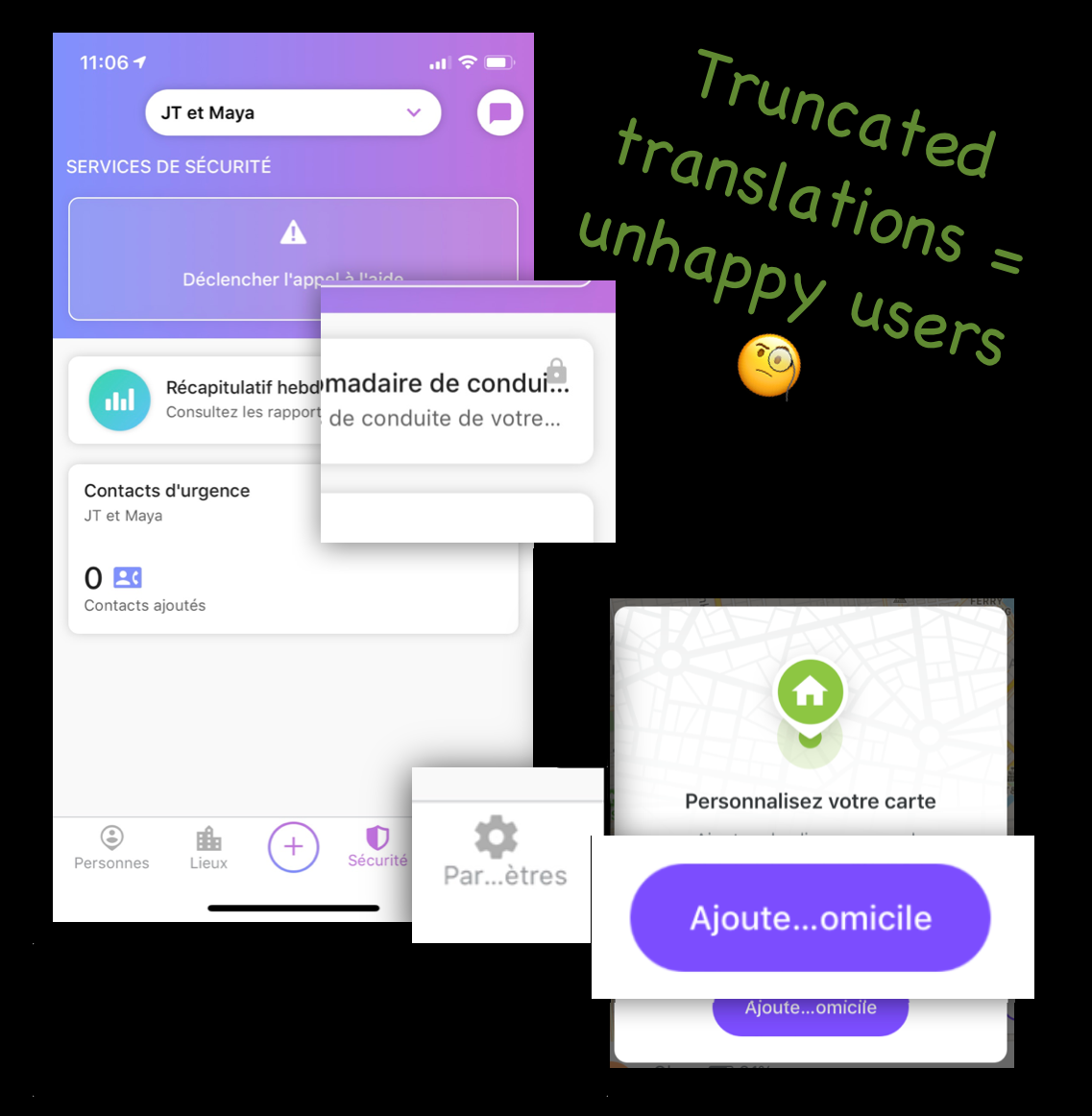
Although this project seemed too easy and small for our talented engineering team and grand ambitions, it was also a good selection because we hadn't yet shipped anything, our engineers were still learning the codebase, and we wanted to demonstrate early progress to the rest of the company. We made some great progress on this project and got a chance to celebrate the win with the team.
Then when our first backend engineer joined the team, we selected another First Win project: boost global app launch speed by routing API traffic through AWS CloudFront. This project was also dead-simple from an engineering perspective: literally just a checkbox in the AWS console. But the impact was huge: a one-second launch time reduction for all users of the app globally—including in the US—thus improving retention.
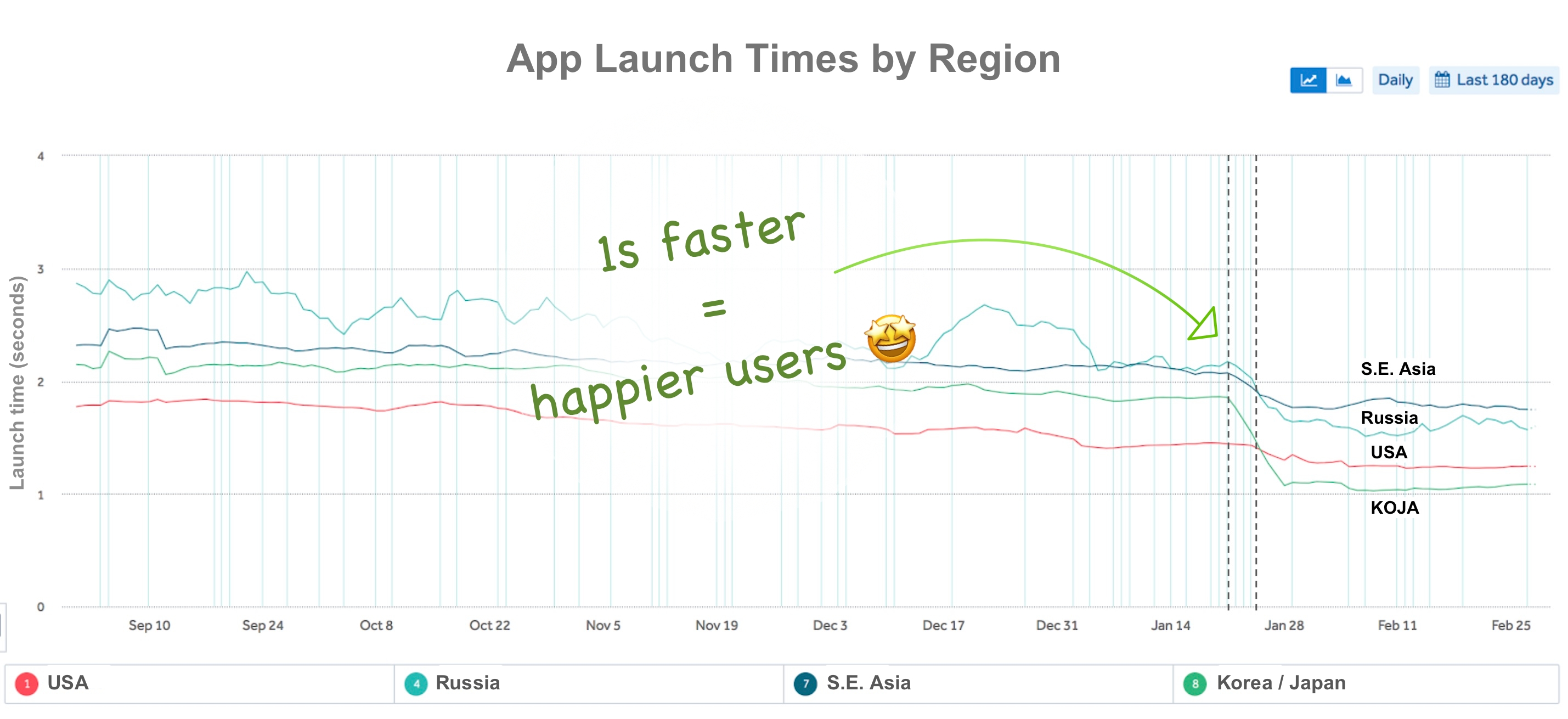
Neither of these First Win projects was particularly technically challenging. One might even say they were boring for our skilled engineers. And they may not have been the highest-priority projects selected by the PM. But they were excellent First Wins. These small wins felt great to demo, they taught us how to ship as a team, and best of all they set us up with momentum for the rest of the year. And we got our pizza.
Thanks to this initial momentum, we built a uniquely cohesive and high-trust team. In the end, these projects and the hard work of the team led to a 37% relative YoY increase in first-month retention for Life360's international userbase. Retention is an impactful metric, yet difficult to move, so we were very proud.
To me, this experience cemented the value of crafting a First Win as a tactic to generate momentum, team cohesion, and results.
As if the pizza party to celebrate the launch isn't enough, there are many advantages to executing your team's First Win.


How hard could it be—just pick an easy project right? Designing your First Win can be harder than you think. I've seen many teams fall into the trap of going too big too soon, biting off something complex that they can't digest. This can lead to months and months of developing in circles and protracted problem-solving. An arduous slog, a toilsome grind, which is absolute poison for the morale of the team.
You want your team’s work to feel joyful and productive, rooted in constant shipping feedback. And most energizing of all, you want to feel the elation of working together as a team to achieve success, even if this success is a small first step.
So start small. No, smaller.
Your initial project should be one that is accomplishable within the first two weeks of formation of your team; not something that will probably take two weeks, but realistically takes six. Pare your initial project down so that the First Win is easily achievable by a new team that is in its early formation stages. A minimal-MVP (MMVP for you acronym aficionados out there).
Then plan the win. Put the demo meeting on the calendar, working with your team to establish a comfortable, confident, and ambitious timeline. You can always adjust this later of course (and do assure your team of this), but having a target date to drive toward will help focus the team toward clearer goals. Of course, you don't want this to be a top-down deadline; so you'll want the target Win Date to come from your team. Talk to your team and work with them to decide when is a reasonable date to target.
Having a great team and a clear vision are not sufficient to achieve success. As a leader, you must take deliberate steps to cultivate a winning environment for your team and enable them to perform together and do their best work. Foremost among these steps is designing your First Win. I encourage you to keep this in mind when setting your new team up for success.
In summary, here are the key points on your team's First Win.
My sincere thanks to the following people who helped review and provide feedback on this post: Daliana Liu, David Head, Sherry Yuan, Dan Rosenberg, Anthony Vella, Mihai Bulic, Helen Yang.
Note: All stock images for this post were generated by OpenAI's DALL•E 2